Used Kia Rio Buying Guide
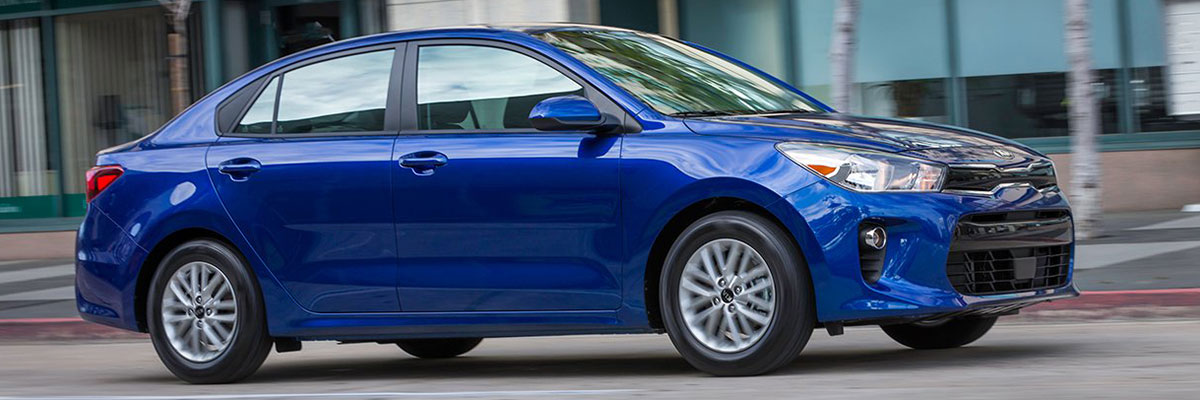
The Kia Rio is one of the most affordable entry points into ownership you can find. While it earned a reputation for being unremarkable in its early years, it eventually evolved into a stylish subcompact; however, that low price tag often came with compromises in long-term durability. If you're researching used Kia Rio trim differences, we're here to help!
Key Takeaways

- The most reliable era for the Rio is the second generation (2007-2011).
- The 2013 to 2016 model years saw a spike in engine-related reports.
- The Rio is the poster child for avoiding "pioneer" models. The 2001, 2006, 2012, and 2018 versions all suffered from launch-year bugs.
The Rio's Reliable Relic Era (2001-2011)

The earliest Rios were the definition of basic transportation. The first gen (2001-2005), however, has reached an age where even a reliable year like 2003 is a gamble due to simple rubber and plastic degradation, and twenty years of heat cycles have likely taken their toll on the cooling systems and electronics.
However, the second generation (2006-2011) is a different story. Once you get past the 2006 launch year, you hit a consistent streak of reliability. From 2007 to 2011, there were almost no reports of catastrophic engine or transmission failure, and very few recalls. For a buyer on a budget who just needs to get from point A to point B, a well-maintained 2009 or 2010 Rio is a hidden gem.
The Rio's Refinement Gap (2012-2017)

The third gen was a big leap in styling and interior quality, but it also introduced a stretch of mechanical uncertainty. The 2013 model is the most complained-about year in the Rio's history, with owners reporting frustrating glitches and early wear. While Kia attempted to iron out these issues in 2014 and 2015, the volume of engine-specific complaints remains a red flag.
It wasn't until the very end of this generation's run that Rio found its footing again. The 2017 model year stands out as the only reliable buy from this era. If you absolutely love the look of this generation, the 2017 is the only version that earns a vote of confidence for long-term durability.
The Rio Is a Modern Commuter (2018-Present)
While the 2018 launch followed the typical Rio trend of first-year hiccups, the 2019 through 2021 editions are exceptionally solid. Data from the NHTSA and owner reports show virtually no significant trends regarding powertrain failure in these years.
These models are the best choice for anyone prioritizing safety and modern connectivity. They offer a refined ride that feels less like an econobox and more like a scaled-down version of Kia's larger sedans, making them a great choice for a reliable used subcompact.
Which Used Rio Is Your Best Bet?
Buying a used Kia Rio is about timing. If you can afford it, stick to the 2019-2021 models for the best overall experience. If you're shopping on a strict budget, ignore the sleek-looking 2013 models and hunt down a clean 2008-2011 example instead. Come to our Car2Sell East Windsor showroom today to see what we have in stock!