Used Kia Forte Buying Guide
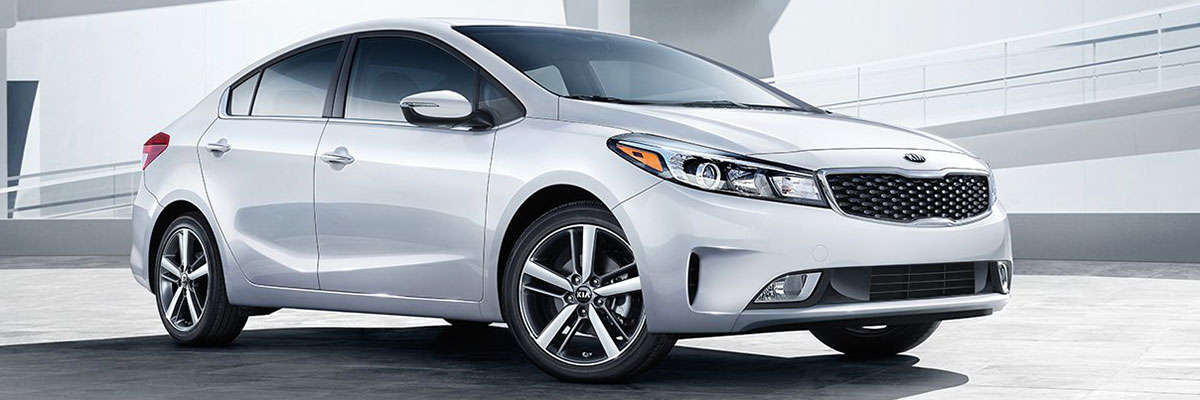
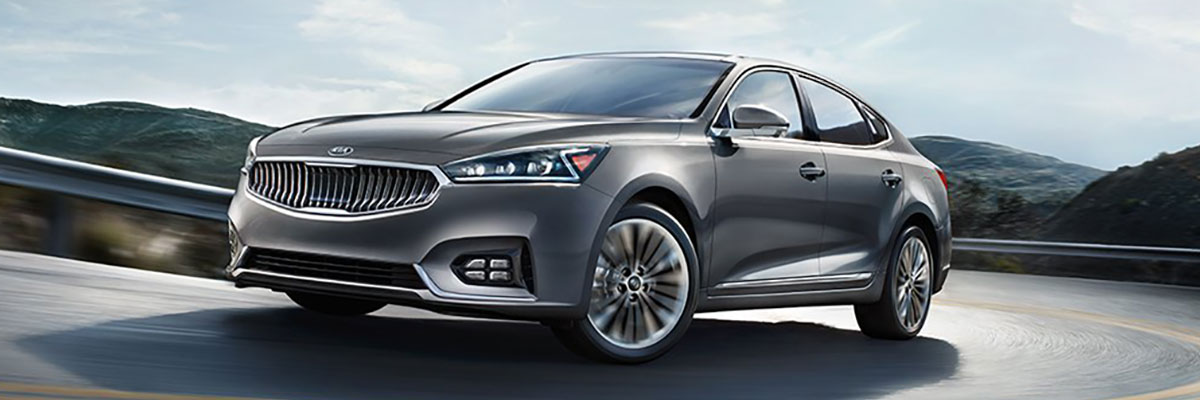
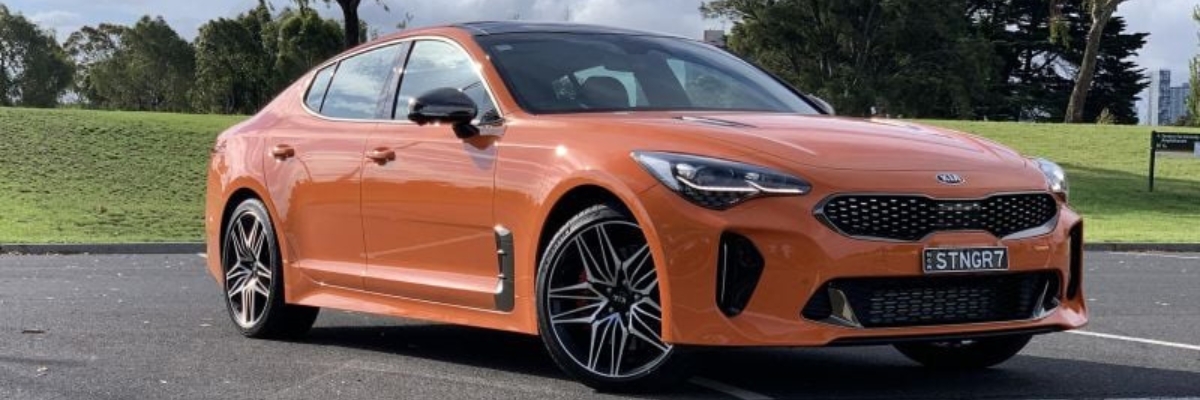
Once a budget-friendly replacement for the Spectra, the Kia Forte has evolved into a stylish, tech-forward sedan that borrows styling cues from the high-performance Kia Stinger. However, that journey has been anything but smooth. Buying a used Forte requires a discerning eye and an adherence to specific model years. Here's what you need to know about which Kia Forte model years stand out when buying used.
Key Takeaways
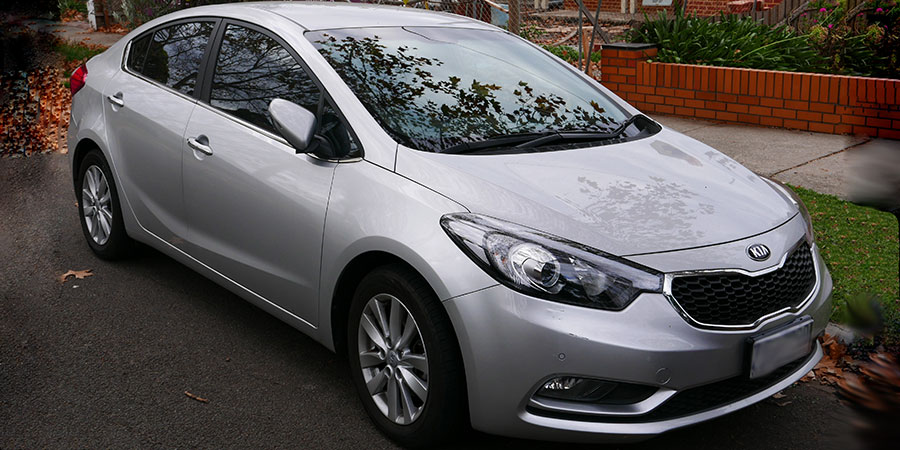
- Models produced between 2012 and 2015 tie to the Theta II engine recall, which involves potential knocking, bearing failure, and fire risks.
- The debut years for all three generations (2010, 2014, and 2019) are notorious for their first-year blues, ranging from electrical problems to complete transmission failures. If you want reliability, buy the refined versions that follow.
- The 2018 Forte is tops on our list for your consideration, as are the years 2020 through 2022.
The Forte's Budget Beginnings (2010-2013)
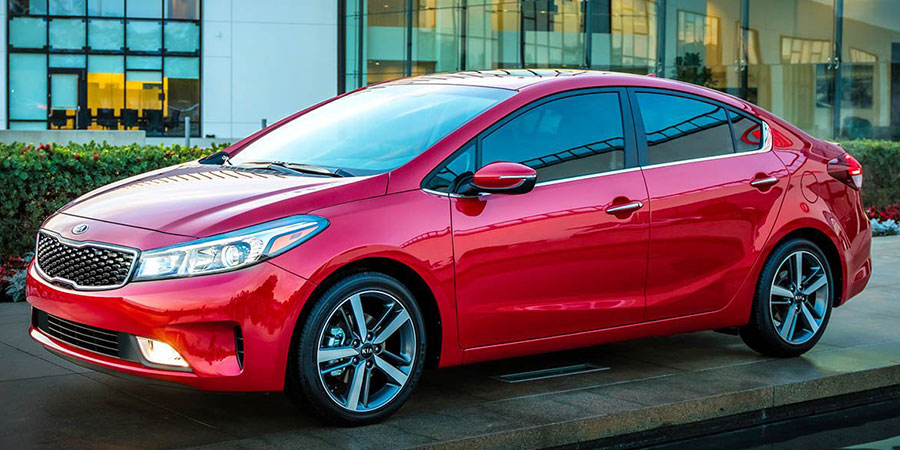
As a replacement for the old Spectra, the Forte was the most diverse in its first generation, offering a four-door sedan, a five-door hatchback, and the stylish Koup two-door. While these cars share underpinnings with the reliable Hyundai Elantra, 2010 and 2011 models are now aging enough that "old car" problems like suspension wear and sensor failures are becoming common.
But the biggest red flag for this era lies in the 2012 and 2013 models. Like the early second-generation cars, the Theta II engine recalls impacted them. Unless you find an example where the engine was replaced by a dealer under the NHTSA campaign, the risk of a catastrophic failure is simply too high. However, if you find a 2011 model with low mileage and a solid service history, it can serve as a very affordable, simple economy car for a first-time driver.
The Refined Economy Class (2014-2018)

The second-generation Forte brought a much-needed injection of style and a more spacious cabin. This era introduced upscale features like heated rear seats and voice commands. However, you should avoid the 2014 and 2015 models, as they were in the middle of the engine recall net. The 2017 model year also saw a spike in engine-related complaints.
The sweet spot for this generation is the 2018 model. It is a clean year, avoiding the engine fires and transmission stutters of its siblings. The 2016 model is also a reasonable choice, provided it passes a rigorous pre-purchase inspection.
The Modern Standard (2019-Present)
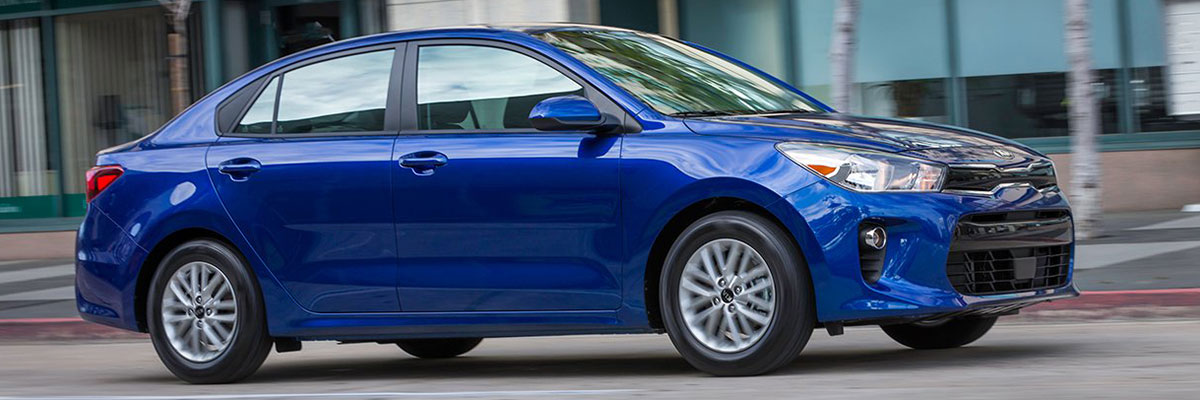
The current generation of the Forte drops the hatchback and coupe body styles to focus entirely on a sleek, four-door sedan silhouette. While the 2019 debut was shaky due to a high volume of CVT complaints, 2020 through 2022 models are some of the most reliable in the nameplate's history.
The interior of these newer models feels significantly more upscale than the price tag suggests, featuring intuitive infotainment and better noise insulation than previous generations. If you are looking for a worry-free daily commuter that still feels modern, this is undoubtedly where your search should begin. Just remember to check the service history, as these newer CVTs require consistent fluid maintenance to stay healthy long-term.
The Bottom Line on Forte Models
The Kia Forte is a testament to how far a brand can come. If you want a car that stays out of the shop, ignore the flashy first-year redesigns and target a 2018 or a 2020-2022 model. Come by our Car2Sell East Windsor showroom today and let's find the right Forte for your commute!